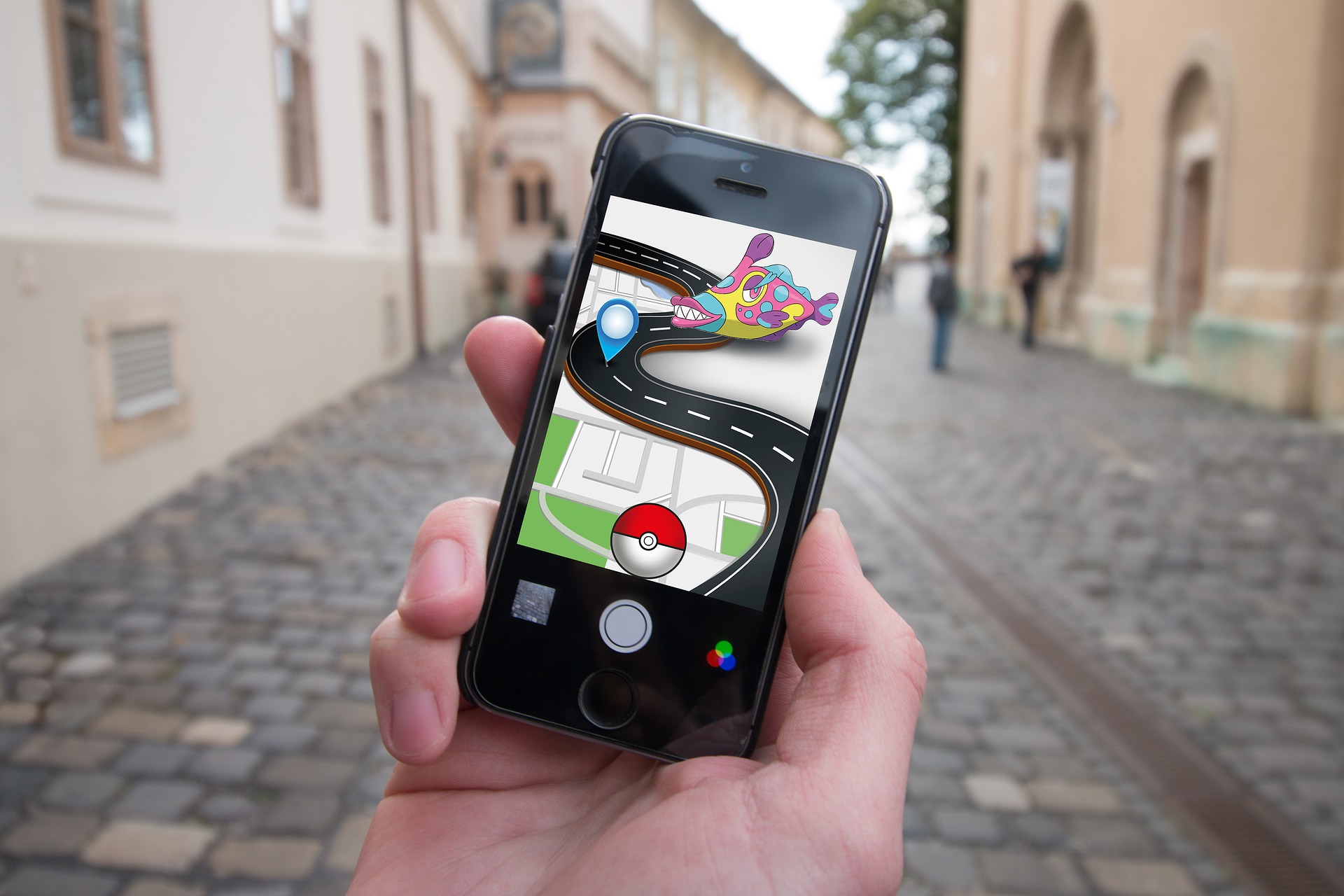
In the event that you are a business visionary that is hoping to enter another market with a customer item. Your area information needs would be generally straightforward. You would need to just target inhabitants of a specific nation, for example, Singapore. Thus, area information with restricted granularity (one “ping” every day, for example). Yet at an extremely expansive and high scale would be what you would require Location Data Brings.
On the off chance that you needed to target suburbanites in a particular region. In any case, you would require increasingly granular information as you would need to know careful area in addition to time (the season of their drive, for example). Therefore, this information would higher in granularity yet progressively constrained in scale.
Are you looking for Fake Bank Statement for Apartment Rental Application Process?
Advantages Location Data Brings
Physical areas:
Despite being computerized in nature, area information can help connect the advanced physical universes. On the off chance that you are hoping to begin another retail outlet or bistro in a specific area. While it is exceptionally suggested that you get to area information of purchasers here heretofore to get footfall and development designs. Also, area information on a bigger scale can help recognize catchment regions Location Data Brings.
(For example, where your clients live or work) which will educate Out Of Home (OOH) promoting efforts. So we can even utilize area information to see precisely who passed a specific board and at what time. And send focused on portable commercials to that specific gadget
Client propensities:
As each entrepreneur comprehends, it is imperatively essential to know your very own client. While you may realize what your clients do in your store, area information gives a dimension of understanding on their propensities when they’re not in your store. Bits of knowledge from area information can enable you to comprehend which street or expressways your clients take to your store, it can help distinguish vulnerable sides where potential client are not being served.
Call us now at +1 914 202 3836 or Live chat with us right away or directly email at quickpapersfix@gmail.com
Please contact us on WHATSAPP or start a LIVE CHAT session before placing any order. You can also give us a call at +1 914 (202) 3836
Practical Applications of Location Data
1. Optimizing Retail Expansion
When selecting a site for a new retail outlet, location data can reveal whether a location aligns with the target audience’s movement patterns. For example, a café targeting young professionals might prioritize areas near office districts with high morning foot traffic. By analyzing historical and real-time data, businesses can avoid low-performing locations and maximize profitability.
2. Enhancing Marketing Campaigns
Location data enables hyper-targeted advertising that resonates with consumers. For instance, a fitness brand could use granular data to target commuters passing gyms during evening hours with promotions for after-work classes. Similarly, broad-scale data can guide national campaigns by identifying high-density areas for TV or radio ads.
3. Improving Customer Experience
By understanding where and when customers are active, businesses can tailor experiences to meet their needs. For example, a food delivery service could use location data to predict peak order times in specific neighborhoods and ensure adequate driver coverage, reducing wait times and improving satisfaction.
4. Competitive Analysis
Location data can reveal where competitors’ customers are concentrated, helping businesses identify gaps in the market. For instance, a retailer could discover that a competitor’s store is too far from a high-traffic residential area, presenting an opportunity to open a new location closer to those consumers.
Ethical Considerations and Best Practices
While location data is powerful, businesses must prioritize consumer privacy and compliance with regulations like GDPR or Singapore’s PDPA. Best practices include:
Anonymization: Use aggregated and anonymized data to protect individual privacy.
Transparency: Clearly communicate how location data is collected and used, offering opt-out options.
Data Security: Implement robust safeguards to prevent unauthorized access to location data.
By adhering to ethical standards, businesses can build trust with consumers while leveraging location data to drive growth.