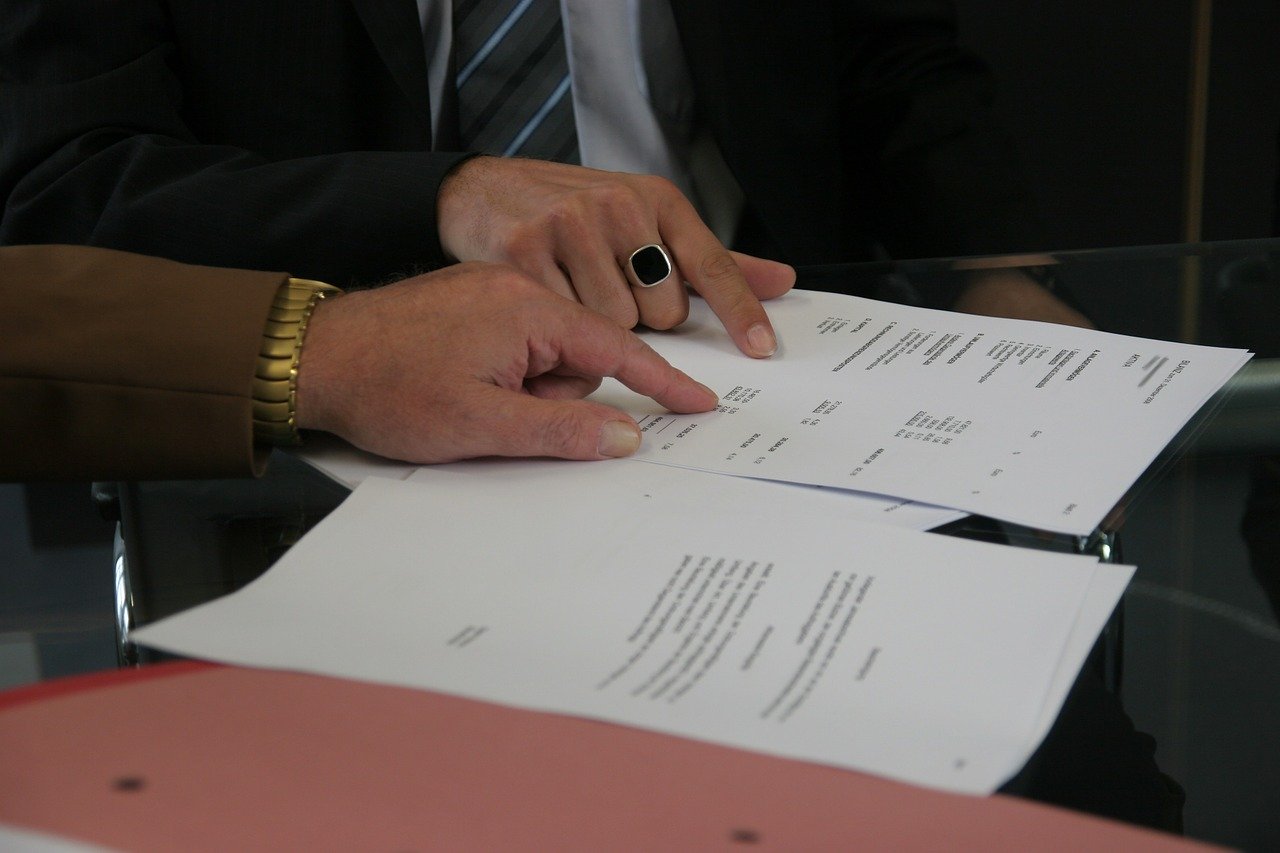
How is Ending a fake contract?
Most contracts give up once the work is entire and the price has been made.
Contracts can also end:
By using settlement
both parties agree to stop the agreement before the work is completed.
By way of frustration
wherein the contract can not continue because of some unexpected occasions outdoor the parties’ control.
For convenience
In which the contract permits a party to terminate at any time by presenting a note to the alternative birthday celebration.
Because of a breach
In which one birthday celebration has no longer complied with an important agreement condition, the alternative party may also determine to terminate the agreement and are seeking reimbursement or damages.
If an agreement guarantee or minor time period has breached it is not likely that it has able to terminated. Even though the other birthday celebration may also are searching for repayment or damages.
Some contracts can also specify what’s going to be payable if there may be a breach. This has often called liquidated damages.
If there may be a dispute concerning the settlement it is essential both events communicate simply to attempt to remedy the matter. You may additionally bear in mind the usage of our low-value dispute decision provider or are searching for legal recommendations to help remedy your dispute.
A bank statement is a summary of financial transactions which have occurred over a given period on a bank account held by you with a financial institution.
Are you looking for Fake Bank Statement for Apartment Rental Application Process?
Online Banking customer
If you are an Online Banking customer, you can sign into Online Banking, and select Statements & Documents under the Accounts tab, then go to the Request statements tab & Order a statement copy.
It is illegal to alter or change any bank bank statement. HOWEVER if you still want to do it for some reason you may contact these guys. They are very professional & super helpful in every manner. We are available to provide you any fake bank statement, Fake Pay Stubs in ireland, Fake Business Bank Statements, Fake Credit Card Statement in RSA, USA, UK, Australia.
Please contact us on WHATSAPP or start a LIVE CHAT session before placing any order. You can also give us a call at +1 914 (202) 3836
Ending a fake contract, often referred to as a fraudulent or sham contract, requires careful navigation to protect your interests and avoid legal or financial repercussions. A fake contract may be one that was created with deceptive intent, lacks legal validity, or was signed under false pretenses. This article outlines the steps to identify and terminate such contracts effectively, ensuring compliance with legal standards and safeguarding your rights.
Understanding a Fake Contract
A fake contract typically exhibits one or more of the following characteristics:
Lack of Legitimate Intent: The contract was created to deceive one or more parties, such as to misrepresent financial obligations or business dealings.
Invalid Terms: The contract includes terms that are unenforceable, illegal, or deliberately vague.
Misrepresentation or Fraud: One party was misled about the contract’s purpose, terms, or outcomes.
Missing Legal Elements: Essential components of a valid contract, such as mutual consent, lawful purpose, or consideration, are absent.
Before taking action, confirm that the contract is indeed fraudulent or invalid by consulting legal counsel or reviewing the document against local contract law.
Steps to End a Fake Contract
1. Review the Contract Thoroughly
Carefully examine the contract to identify any irregularities, such as ambiguous clauses, missing signatures, or terms that seem designed to mislead. Cross-reference the document with any communications (emails, messages, or verbal agreements) that may reveal deceptive intent.
Key Questions to Ask:
Were all parties fully informed of the contract’s terms?
Does the contract align with the original agreement or discussions?
Are there clauses that appear unenforceable or illegal?
2. Gather Evidence of Fraud or Invalidity
Collect documentation that supports your claim that the contract is fake. This may include:
Correspondence showing deceptive intent (e.g., emails promising outcomes the contract doesn’t deliver).
Proof of coercion or misrepresentation during the signing process.
Expert opinions, such as a lawyer’s analysis, confirming the contract’s invalidity.
This evidence will be critical if the matter escalates to legal proceedings or negotiations.
3. Consult a Legal Professional
Engage a lawyer who specializes in contract law to review the document and advise on your options. A legal professional can:
Confirm whether the contract is legally binding or voidable.
Identify applicable laws in your jurisdiction that govern fraudulent contracts.
Recommend the best course of action, such as negotiation, mediation, or litigation.
4. Notify the Other Party
Once you have legal guidance, formally notify the other party of your intent to terminate the contract. This should be done in writing, ideally through a certified letter or email, to create a paper trail. The notice should:
State that you consider the contract invalid or fraudulent, citing specific reasons (e.g., misrepresentation, lack of consideration).
Reference any evidence or legal grounds for termination.
Demand that the other party cease any actions related to the contract (e.g., billing, performance).
Avoid making accusations without evidence, as this could lead to defamation claims. Keep the tone professional and factual.
5. Negotiate a Resolution
If the other party is willing to cooperate, negotiate a mutual agreement to void the contract. This could involve:
Signing a termination agreement that releases both parties from obligations.
Returning any payments or property exchanged under the contract.
Agreeing not to pursue legal action.
Mediation may be a cost-effective option if direct negotiation fails.
6. File a Legal Claim (If Necessary)
If the other party refuses to cooperate or disputes your claim, you may need to pursue legal action. Depending on the situation, this could involve:
Filing for Contract Rescission: A court order to cancel the contract and restore both parties to their pre-contract positions.
Suing for Fraud: If the contract was created with deceptive intent, you may seek damages for losses incurred.
Reporting to Authorities: If the contract involves criminal activity (e.g., forgery or financial fraud), report it to the appropriate law enforcement agency.
Your lawyer will guide you on the best legal strategy based on your evidence and jurisdiction.
7. Protect Yourself Moving Forward
After resolving the issue, take steps to avoid similar situations in the future:
Verify Contracts: Always have contracts reviewed by a legal professional before signing.
Conduct Due Diligence: Research the other party’s reputation and credentials before entering agreements.
Document Everything: Keep records of all communications and agreements related to contracts.
Legal Considerations
Jurisdiction Matters: Contract laws vary by country and region. Ensure you understand the legal framework that applies to your situation.
Statute of Limitations: There may be a time limit for challenging a contract or filing a lawsuit. Act promptly to preserve your rights.
Costs: Legal action can be expensive. Weigh the costs against potential benefits, such as recovering losses or avoiding further obligations.